


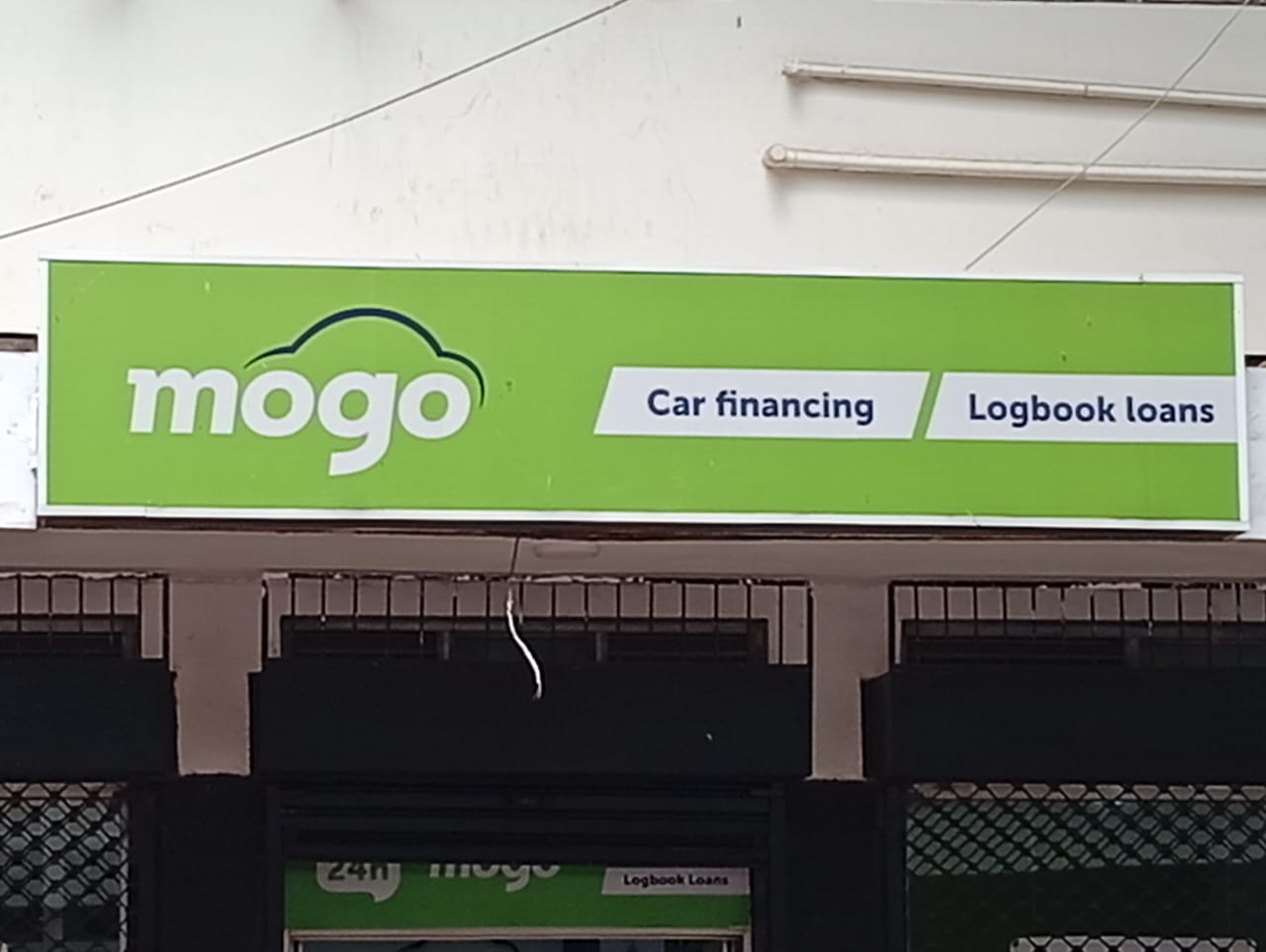
A tuk-tuk owner has won a legal battle against famous Mogo Auto Limited after the High Court upheld a decision ordering the lender to refund him after repossessing and selling his three-wheeler without obtaining court approval.
Justice Gregory Mutai dismissed Mogo’s appeal against a Small Claims Court decision, finding that the agreement between the company and the tuk-tuk owner was a hire purchase arrangement and that the repossession and subsequent sale of the vehicle were unlawful.
The dispute arose after the tuk-tuk owner entered into an agreement with Mogo on September 16, 2023, where the company provided Sh446,250 towards the purchase of the vehicle while the owner contributed Sh50,000.
The tuk-tuk, registration number KTWD 674A, was registered in Mogo Auto Limited’s name and was to be transferred to the owner after full repayment of the loan.
Under the agreement, the owner was required to pay Sh7,027 monthly for 156 months, starting September 29, 2023, with interest charged at 1.39 per cent per month on a reducing balance basis.
The owner told the court he had paid Sh549,246, while Mogo maintained he had paid Sh479,609.
After some defaults, Mogo repossessed the tuk-tuk and sold it to a third party for Sh413,400, prompting the owner to move to court seeking a refund and compensation.
The Small Claims Court ruled that Mogo could not repossess and sell the tuk-tuk because the owner had already paid more than two-thirds of the hire purchase price without first obtaining leave of the court as required by law.
It ordered Mogo to refund Sh413,400, being the alleged resale value of the vehicle.
Mogo challenged the decision, arguing that the agreement was an asset finance arrangement governed by the Movable Property Security Rights Act and not a hire purchase agreement.
The company argued that repossession was lawful after the owner defaulted on payments.
However, Justice Mutai rejected the argument, holding that the nature of the transaction was determined by its substance and not the label placed on it by the parties.
The judge noted that the agreement identified the vehicle, set out a payment schedule and provided that ownership would only transfer after full repayment.
He further observed that Mogo had acknowledged in documents that the tuk-tuk had been issued under loan financing and was registered in its name pending repayment.
Justice Mutai stated: “What emerges from the foregoing is that, contrary to what the appellant alleges in the appeal, the tuk-tuk was registered in its name. It remained so until the respondent repaid the loan in full. In my view, the contract looked like a hire purchase agreement, walked like a hire purchase agreement, and quacked like one.”
The judge held that because the arrangement was a hire purchase agreement, Mogo was bound by Section 15 of the Hire Purchase Act, which prevents repossession after two-thirds of the purchase price has been paid unless a court order is obtained.
He ruled that Mogo acted unlawfully by repossessing and selling the tuk-tuk without filing a suit.
“What the appellant should have done was to file a suit. It did nothing of the sort,” Justice Mutai said.
The judge further found that the law provides a remedy where repossession is unlawful, allowing the affected customer to recover amounts paid under the agreement.
In dismissing the appeal, Justice Mutai said: “The upshot of the foregoing is that the appeal is completely bereft of merit. The same is for dismissal.”
He also ordered that the decretal sum deposited by Mogo be released to the tuk-tuk owner immediately.
The judgment was delivered on June 4, 2026.

